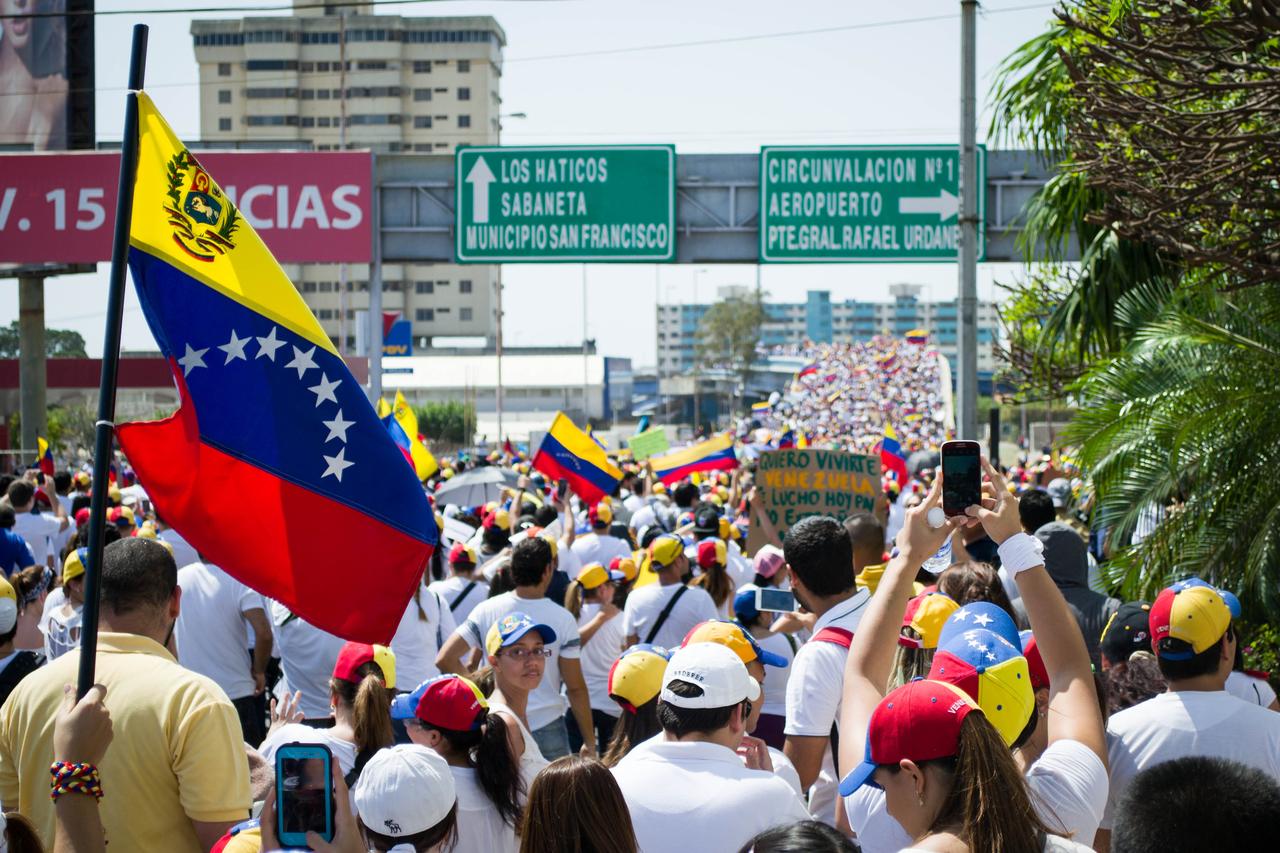
This edition of “Why It Matters” discusses the Trump administration’s Venezuela policy, how it fits into its broader regional approach, and what the U.S. should do instead.
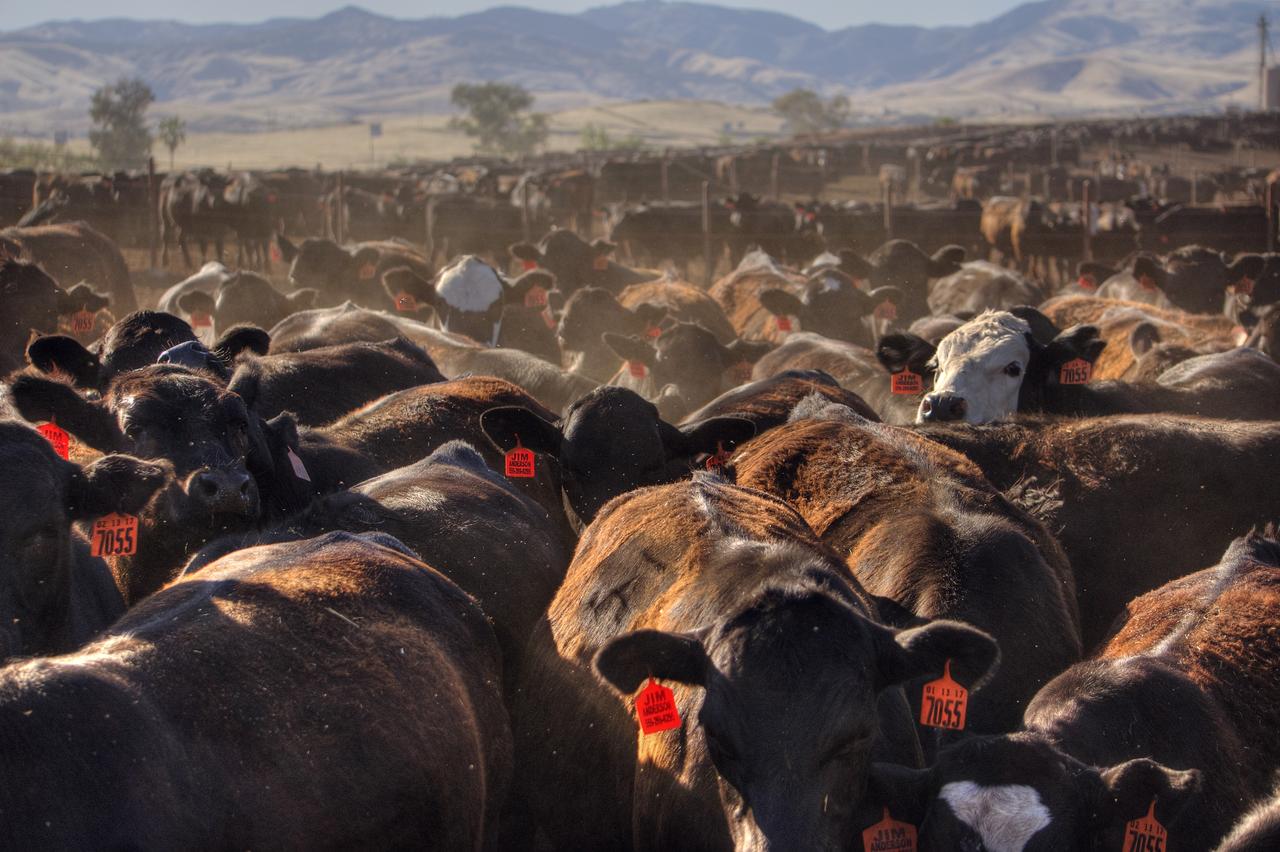
By Abby Finkenauer
President Trump is offering a supposed solution to an affordability problem his policies helped create: cheaper hamburgers. But before Americans celebrate, we should be asking what makes that beef so cheap and who else may ultimately be paying for it.
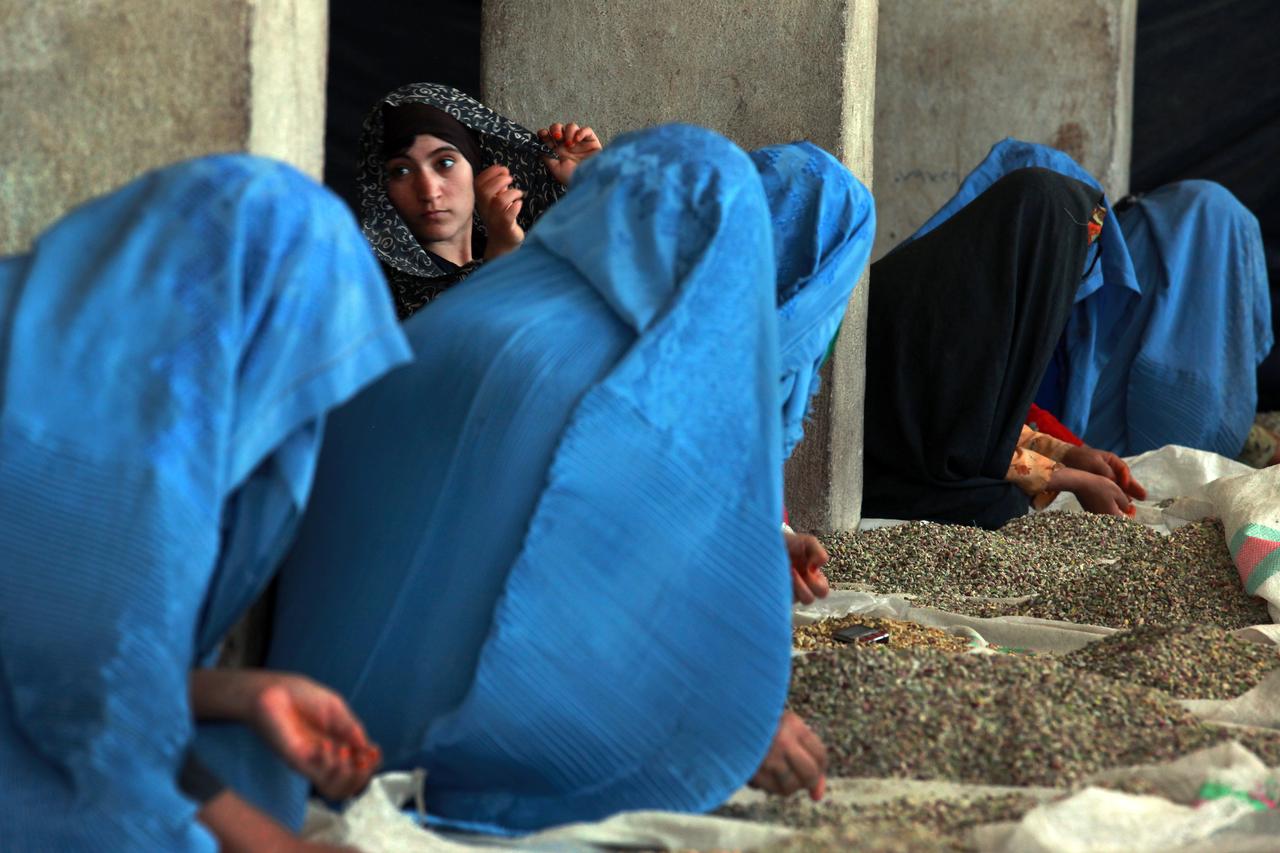
By Rina Amiri
In this edition of "Why It Matters," The AllIance's Rina Amiri discusses how the U.S. and the international community can help protect and promote Afghan women's rights amid the Taliban's draconian repression.
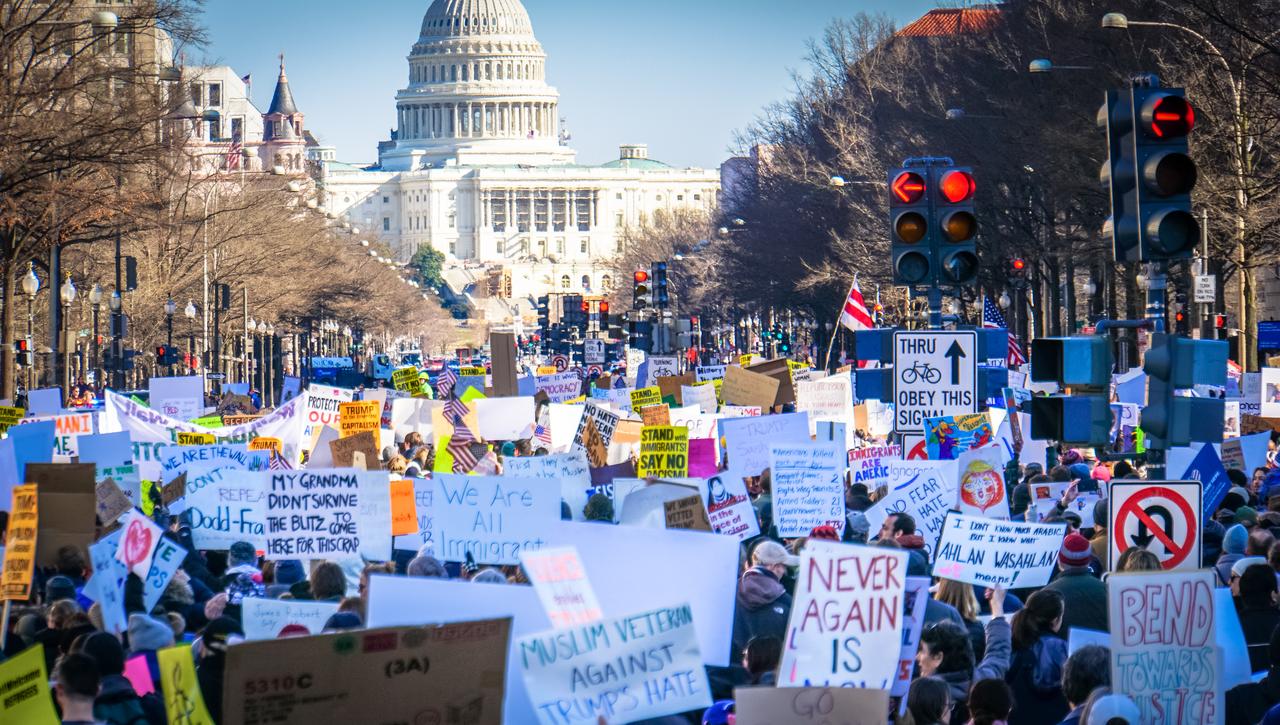
By Jessica Stern and Desiree Cormier Smith
In the latest edition of "Why It Matters," Co-Presidents Jessica Stern and Desiree Cormier Smith discuss the implications of the Trump administration's major changes to the annual Human Rights Reports and how it affects U.S. foreign policy.
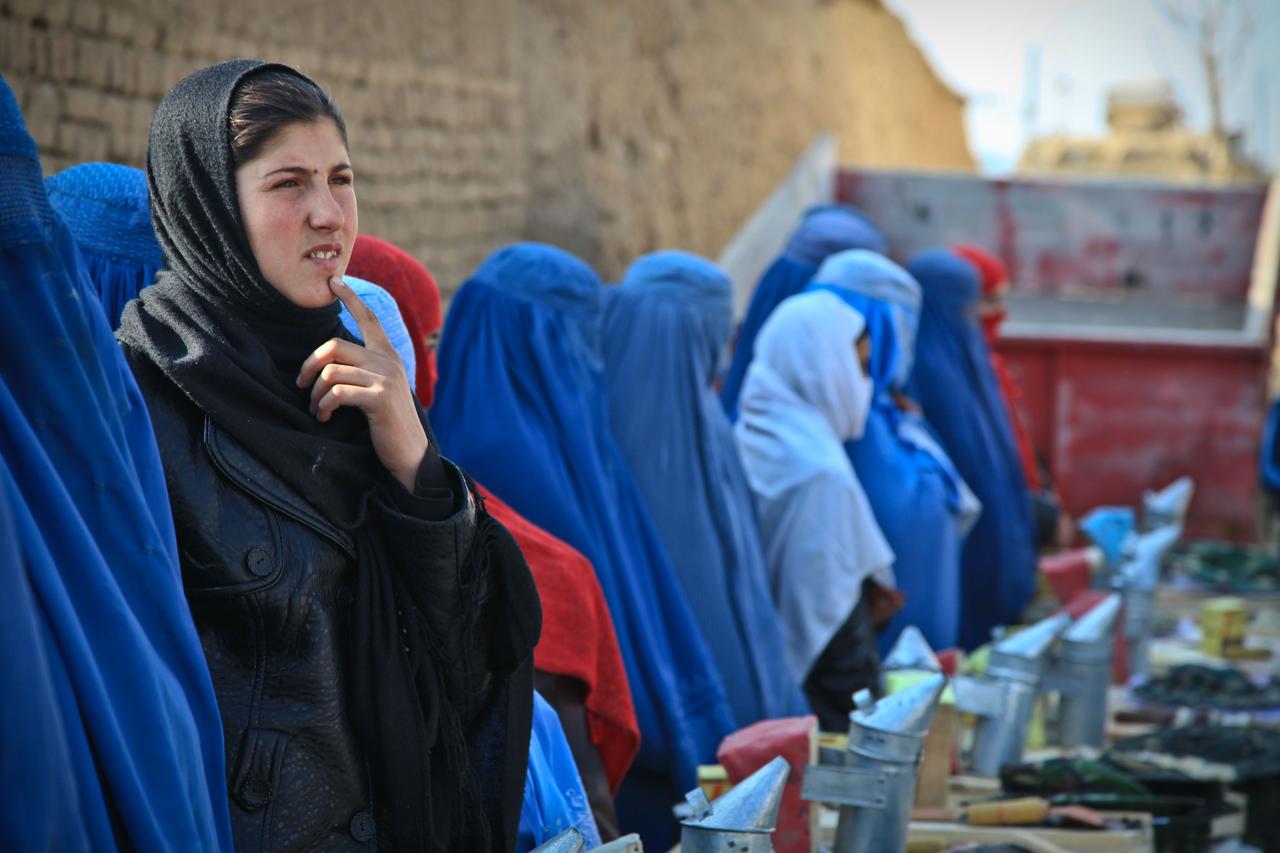
By Rina Amiri
In a new Foreign Affairs essay marking the fifth anniversary of the Taliban's takeover of Afghanistan, The Alliance's Rina Amiri examines how Afghan women have resisted the Taliban's extremist state-building project and how the international community can support their fight for a pluralistic and peaceful Afghanistan.
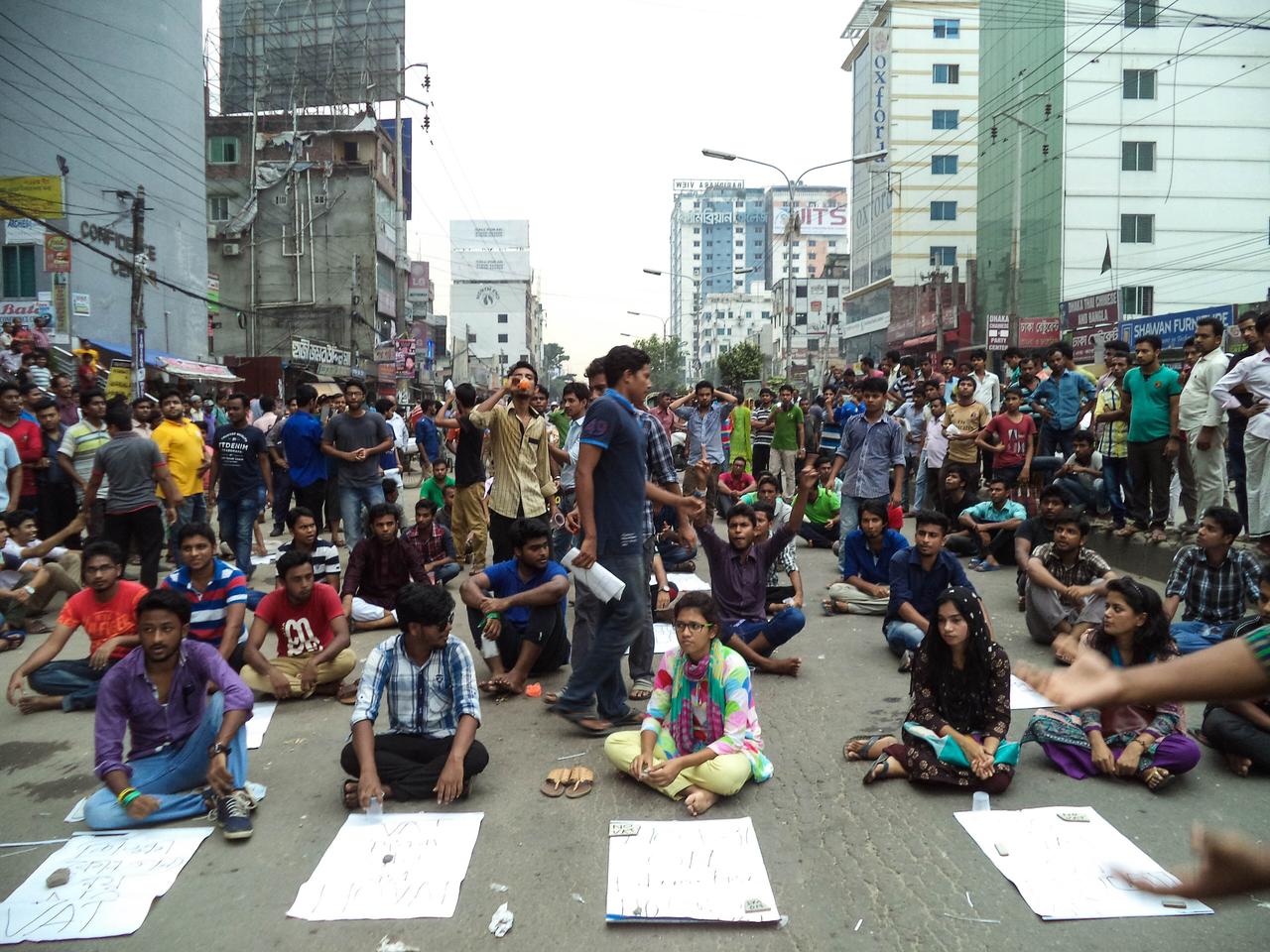
By Abby Finkenauer
As we celebrate International Youth Day today, The Alliance's Abby Finkenauer, a former U.S. Special Envoy for Global Youth, explains why governments in Asia and beyond need to move past symbolic gestures and give young people a genuine opportunity to influence policy.
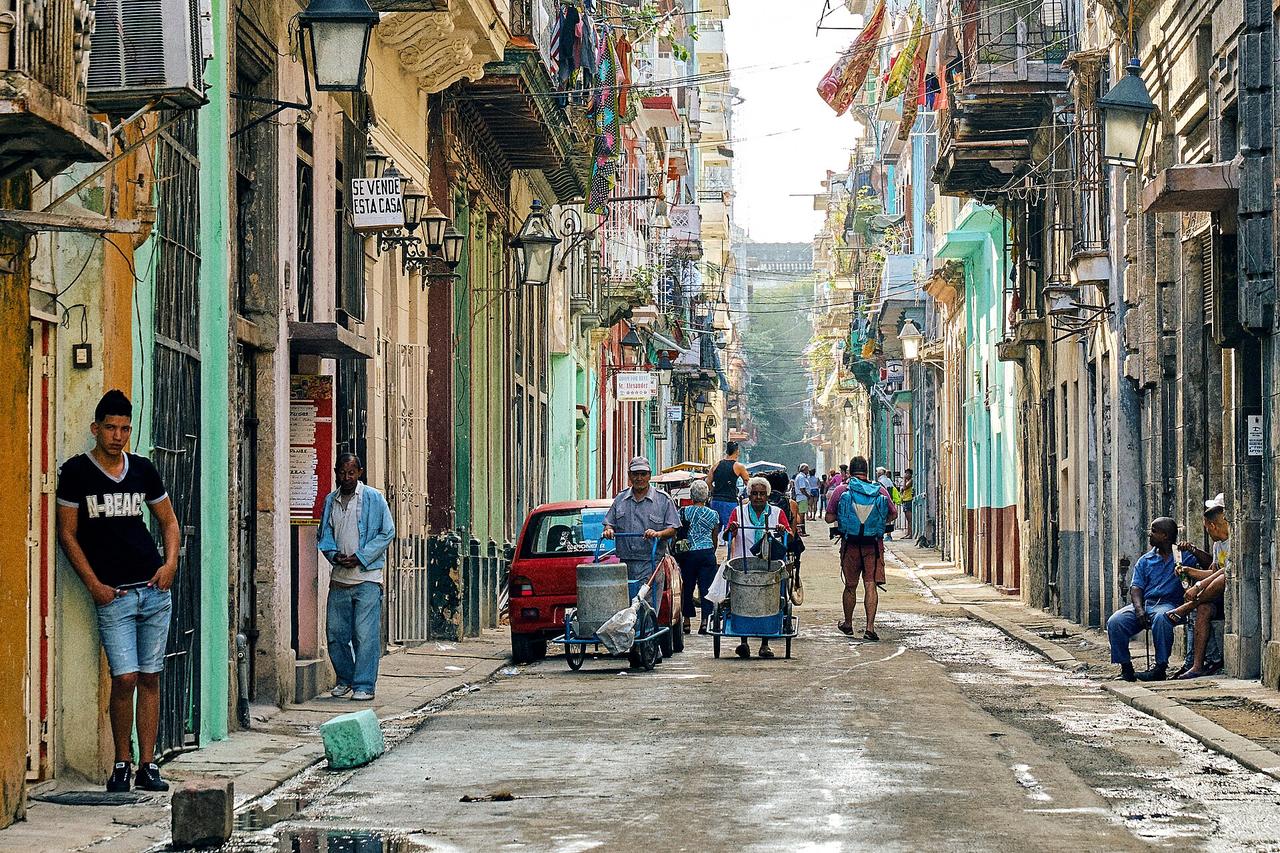
Since returning to office in January 2025, the Trump administration has pursued what analysts have referred to as a “maximum pressure” campaign on Cuba. For six months, the U.S. has imposed an oil blockade on the island, imposed harsh sanctions, and threatened military intervention. The human impact has been severe and staggering.
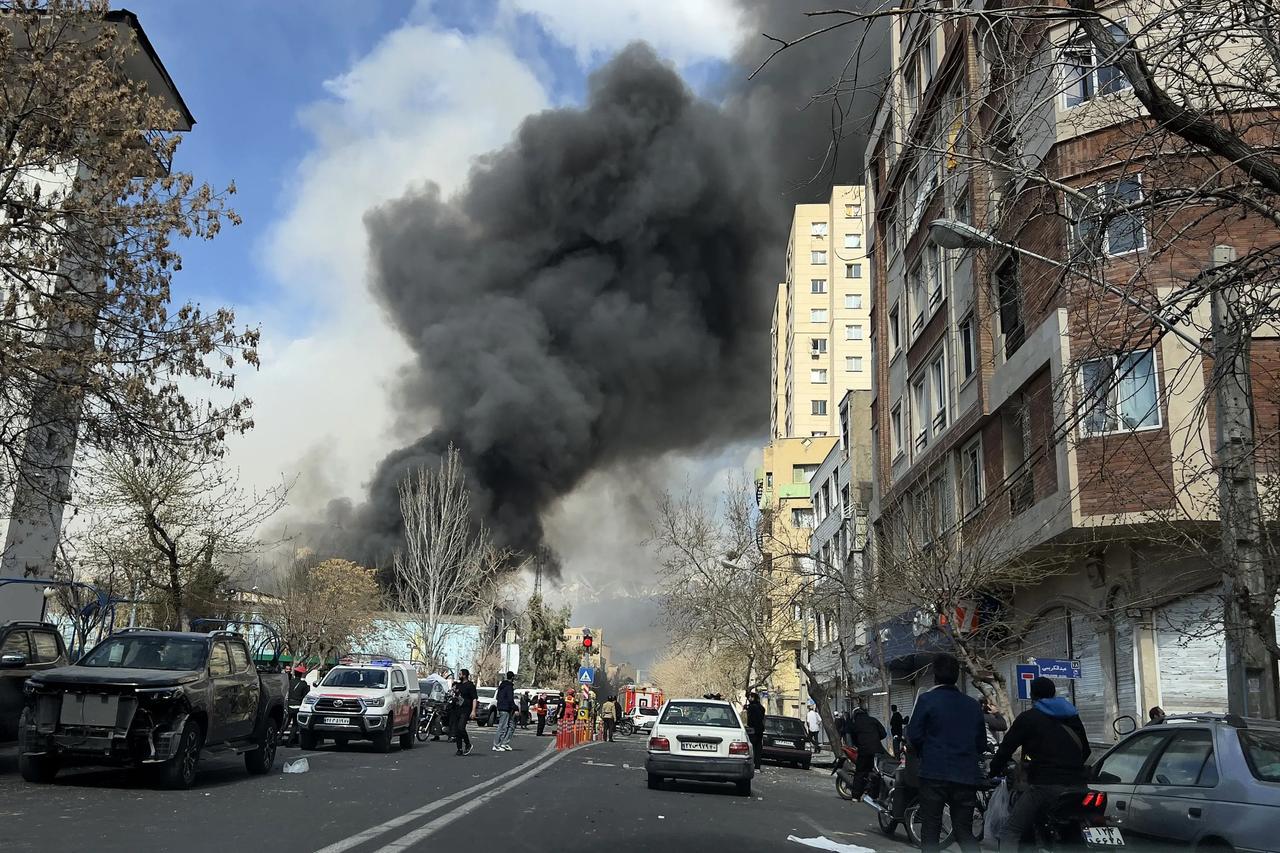
By Desirée Cormier Smith and Jessica Stern
A human rights-centered foreign policy is both a moral imperative and a geopolitical necessity.
In mid-July, Secretary of State Marco Rubio announced that the Trump administration would seek to dismantle the International Criminal Court (ICC) “brick by brick, if necessary,” threatening a whole-of-government campaign to systematically weaken the court’s ability “to operate, target American servicemen or officials, or otherwise threaten American sovereignty.”
By: Samira Rafaela and Kelly Fay Rodríguez
Forced labor is pervasive in the global economy. In 2022, more than 17.3 million people were exploited by forced labor in the private sector worldwide, and another 3.9 million people were subjected to state-imposed forced labor. As the United States escalates global trade pressure over forced labor, Europe’s Forced Labor Regulation (FLR), which entered into force on December 14, 2024, faces a critical test: Will the new regulation achieve its ambition or fall short in practice?

We are pleased to share the second edition of our new monthly flagship commentary series, Why It Matters, offering timely analysis of global developments with a particular focus on human rights. This month's commentary examines Americans' views about themselves and their country as the nation marks its 250th birthday and the implications for a human rights-based U.S. foreign policy.

By: Rina Amiri with advisory support from Sandy Coliver and research support from Thomas Ropelewski
We are pleased to launch our new monthly flagship commentary series, Why It Matters, offering timely analysis of global developments with a particular focus on human rights. Our inaugural commentary - Who Gets a Voice in Governing Artificial Intelligence? - examines why AI governance must ensure that innovation serves the broader public interest rather than further concentrating power in the hands of tech oligarchs and political elites.
By: Desirée Cormier Smith and Kelly M. Fay Rodríguez
As we wait for the details of the U.S.-Iran deal that aims to end Trump’s highly unpopular war, we cannot forget who really stands to gain from the death and destruction: the Trump family, who has been quietly profiting from a war that nobody asked for and nobody wanted.
Regarding the April 22 editorial “‘Trade over aid’ is good advice for everyone”:
“The editorial wrongly dismissed aid as a simple wealth transfer. But trade alone cannot and will not catapult poor countries into rich ones."
By: Rina Amiri
Reports that Afghan evacuees currently housed in Qatar could be transferred to the Democratic Republic of the Congo mark a deeply troubling shift in U.S. asylum and migration policy – one that should raise alarm bells not only for those concerned about the fate of Afghans, but for anyone invested in human rights, the integrity of U.S. asylum systems, and the United States’ credibility as a global partner.
On March 25, the International Day of Remembrance of the Victims of Slavery and the Transatlantic Slave Trade, the United Nations General Assembly adopted a historic resolution marking an extraordinary step forward for global racial justice.

By: Dr. Beth Van Schaack, Jessica Anania and Vicka Heidt
The United Nations’ annual convening of the Commission on the Status of Women (CSW) that concluded in New York this month unfolded at a moment of acute strain on the international legal order and an intensifying backlash against gender equality.

By: Shannon Kowalski and Jessica Stern
Opinion: Both organizations have different mandates; merging them risks weakening both mandates and funding streams, and does not serve women’s and girls’ best interests.
By: Dr. Geeta Rao Gupta and Melanne Verveer
As President Donald Trump rewrites U.S. foreign policy and threatens the international order, he is also dismantling long-standing bipartisan commitments to women’s equality.

By: Desirée Cormier Smith and Jessica Stern
When President Donald Trump and Secretary of State Marco Rubio gutted the U.S. Department of State last year, they said they were doing it to make America “safer, stronger, and more prosperous.” Yet, Trump’s nominee to be assistant secretary of state for international organization affairs, Jeremy Carl, is a white supremacist conspiracy theorist who would undermine the United States’ standing at the United Nations and destroy our relationships with countries around the world.
By: Dr. Beth Van Schaack and Claudia Sung
Following a year-long review of all U.S. participation in, and funding for, international organizations, President Donald Trump recently issued a presidential memorandum “withdrawing” the United States from more than 60 treaties, international organizations, and multilateral mechanisms, about half associated with the United Nations. These initiatives focus on a range of global issues.

By: Abby Finkenauer
When President Donald Trump comes to Iowa on Jan. 27, he will be greeted by smiling elected officials, rehearsed applause, and familiar slogans. What he won’t confront or address is the reality Iowans are living through right now: an economy under strain, rising costs driven by instability, and a foreign policy in free fall that has been hurting families, farmers, and businesses across the state.

By: Abby Finkenauer
Earlier this month, the U.S. took an extraordinary and dangerous step in Venezuela. Acting without congressional authorization, President Trump ordered special forces to seize that country’s president. Days later, Trump declared, with no mention of congressional support, that “one way or the other” the U.S. is “going to have Greenland.”
By: Jessica Zhu and Dr. Beth Van Schaack
This is a two-part post analyzing the degradation of the U.S. State Department’s annual human rights reports under U.S. Secretary of State Marco Rubio. Part 1 sets out the background on the annual reports and explains our methodology for comparing this year’s release to last year’s reports (published by the Biden-Harris administration) as well as to the reports issued under the first Trump administration. Part 2 will offer a comparative discussion of several exemplary reports with help from ChatGPT.
By Desirée Cormier Smith and Jessica Stern
Seventy-seven years ago this week, in the aftermath of the Holocaust and World War II, nations from across the world, including the United States, gathered in Paris to formally adopt the Universal Declaration of Human Rights (UDHR). This document was far from ceremonial; it was a global triumph of humanity, a binding declaration that the world should no longer tolerate torture, political imprisonment, ethnic cleansing, or persecution based on identity or belief. Today, under President Trump and Secretary of State Rubio, the United States is not merely drifting away from international human rights law; it is deliberately working to undermine it.

U.S. President Donald Trump’s domestic policies have been painful for the United States’ workers. His foreign policy has followed suit. Nationally and internationally, this administration has undermined labor rights, gutted institutions that enforce labor standards, and targeted labor unions—to the detriment of working people everywhere.
By: Beth Van Schaack, Desirée Cormier Smith, Catherine Powell
The Trump administration has chosen to retreat from UN human rights standards and processes. These decisions make Americans less safe.
By: Jessica Stern, Suzanne B. Goldberg, Reggie Greer
In Dhaka, Bangladesh, a young gay man who had traveled five hours to meet us at the U.S. ambassador’s residence spoke softly about the violence he endured. For years, activists like him would meet with U.S. officials to tell their stories, trusting our government to publish their truth for the world to hear. Last week, the Trump administration betrayed that trust and cast aside decades of bipartisan work. Instead of fair and accurate reporting, it systematically deleted almost all references to abuse and persecution of lesbian, gay, bisexual, transgender, queer, and intersex (LGBTQI+) people in the 2024 U.S. Department of State Country Reports on Human Rights Practices, known as the Human Rights Reports (HRRs).

By: Jessica Stern & Suzanne B. Goldberg
On July 11, U.S. Secretary of State Marco Rubio carried out his State Department overhaul plan by laying off more than 1,300 career public servants. Though the details remain unclear, the cuts appear to have targeted nearly every employee working on human rights, democracy, or global systems of justice—including almost all of the few people at the department who possessed the expertise to respond to threats against LGBTQ individuals worldwide.

By: Jessica Stern & Julie Dorf
June was a hard month for democracy in the United States. Now that Pride is behind us, it’s time to take stock—not only of what we’ve lost, but also of the lessons we urgently need from LGBTQI+ victories and resistance to growing authoritarianism around the world. This week, Budapest Pride in Hungary offered exactly such a lesson.

By: Desirée Cormier Smith, Kelly M. Fay Rodríguez and Beth Van Schaack
What a difference eight years makes. During President Trump’s first term, then-Sen. Marco Rubio pushed the president to expand his human rights diplomatic agenda. Rubio recognized that promoting human rights abroad is in the national interest. He urged the president to appoint an assistant secretary for the Bureau of Democracy, Human Rights and Labor — commonly known as DRL — after the position was left vacant for nearly two years. He co-sponsored the Women, Peace and Security Act (ensuring that the U.S. includes women in international conflict negotiations), spoke out against the torture of gay men in Chechnya and co-sponsored the Uyghur Forced Labor Prevention Act.

By: Abby Finkenauer and Geeta Rao Gupta
Recently, Secretary of Defense Pete Hegseth bragged about ending the Women, Peace, and Security (WPS) program at the Department of Defense, calling it “woke” and “divisive,” and claiming that the “troops hate it.” His words are not just reckless. They are dangerous, dishonest, and uninformed.
Let’s set the record straight. WPS is not just a diversity program. WPS promotes women’s leadership in our armed and security forces — not for window dressing, but for reasons of operational efficacy and readiness. It calls for the meaningful participation of women in peace negotiations, counterterrorism operations, and post-conflict stabilization based upon empirical proof that these efforts are more effective when women are involved. It is also about prioritizing the protection of the most vulnerable in conflict: women and children.

By: Jessica Stern
Last week, U.S. Secretary of State Marco Rubio released his proposal to reorganize the Department of State—and it’s a doozy. When I joined government as the U.S. special envoy for the human rights of LGBTQI+ persons, after a career working for human rights organizations, I found many of the clichés about government inefficiency to be true. However, Rubio’s plan—which includes reducing U.S.-based staff by 15 percent, cutting 132 offices, and transitioning an additional 137 offices into other parts of the department—is the equivalent of wielding a chainsaw when the patient deserves a scalpel.
© 2025 Alliance for Diplomacy and Justice.